

The United States economy is currently experiencing a complex interplay of factors that are shaping its trajectory. Understanding these elements is crucial for both policymakers and citizens as they navigate the economic landscape.
Economic Growth and Employment
Recent data indicates that the U.S. economy is expanding, albeit at a slower pace than anticipated. The labor market has shown resilience, with hiring bouncing back this year from a challenging 2025. However, many Americans remain frustrated by rising costs, and it’s unclear if the strong job numbers will change their gloomy view of the economy.
Inflation and Consumer Prices
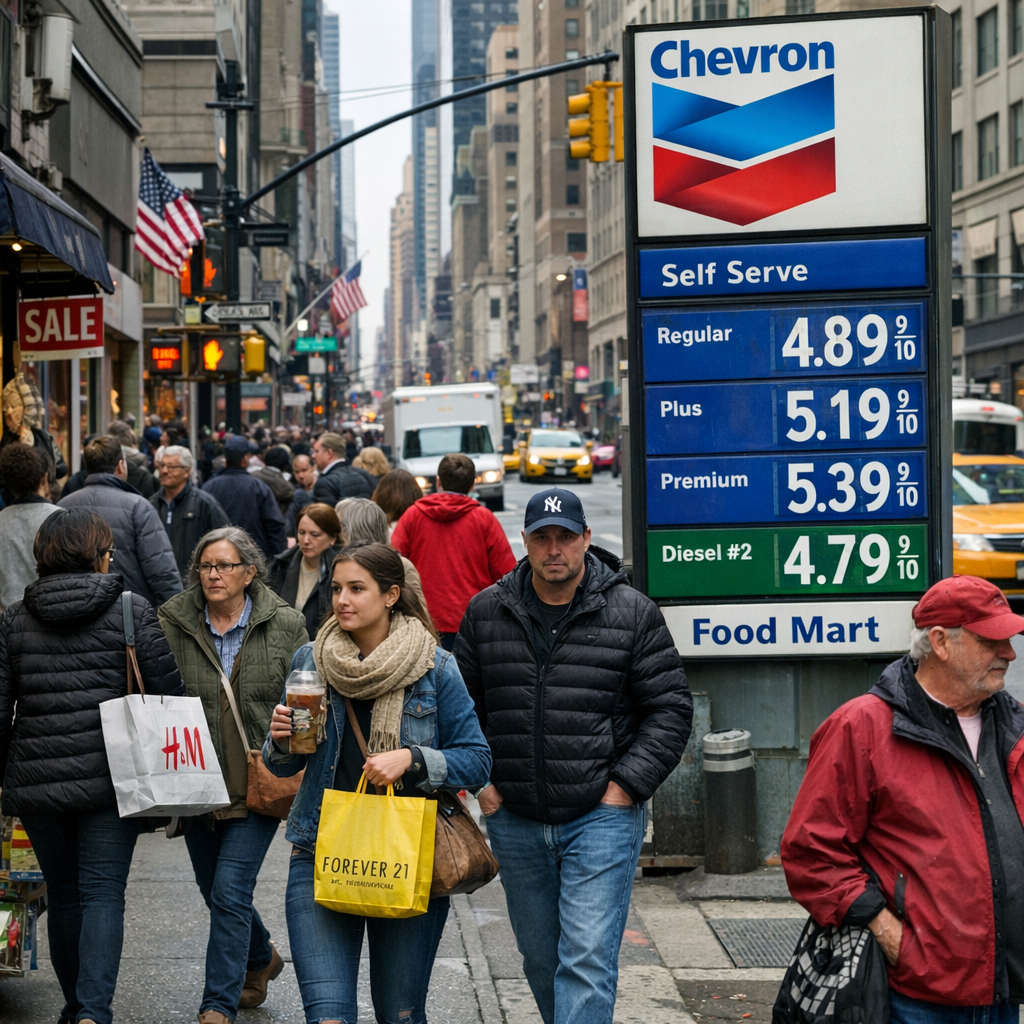
Inflation remains a pressing concern, with rates reaching 4.2% recently, clouding the Federal Reserve’s outlook on potential rate cuts. The ongoing conflict in Iran has contributed to energy price shocks, further fueling inflationary pressures. Gas prices have surged, with the national average rising to $3.61 per gallon, impacting household budgets across the country.
Federal Reserve Policies
The Federal Reserve has maintained interest rates at current levels, with projections indicating a potential rate cut in the near future. However, officials warn that the economic costs of emerging technologies like artificial intelligence may arrive faster than their benefits, adding another layer of complexity to monetary policy decisions.
Trade and Tariffs
Trade policies continue to influence the economic landscape. President Donald Trump’s administration has implemented sweeping tariffs affecting virtually all U.S. trade partners. The Supreme Court recently struck down these reciprocal tariffs, injecting fresh uncertainty for consumers and businesses alike.
Consumer Sentiment
Despite some positive indicators, consumer confidence has been dented by high gas prices and elevated inflation. Many Americans are expressing anxiety about the political system, with about one-third identifying politics and government as the nation’s most pressing problem. This concern is particularly pronounced among older Americans, while younger demographics are more focused on economic challenges like housing affordability.
In conclusion, the U.S. economy is navigating a period of uncertainty, influenced by domestic policies, international conflicts, and technological advancements. Staying informed and adaptable is essential for individuals and businesses as they respond to these evolving economic conditions.